

quality control in Pcb assembly services
Ensuring quality control in PCB assembly services is crucial for producing reliable, high-performance electronic devices. The process involves meticulous planning, rigorous inspection, and thorough testing at every stage of production. Implementing effective quality control measures helps detect and rectify defects early, ensuring that the final product meets the highest standards of reliability and performance.
Quality control begins at the design stage with Design for Manufacturability (DFM). DFM involves optimizing the PCB design to facilitate easier, more reliable manufacturing and assembly processes. Engineers review the design to ensure that it meets all manufacturability standards, which include proper component placement, adequate spacing, and appropriate pad sizes. By addressing potential issues early in the design phase, manufacturers can prevent costly errors and rework later in the assembly process.
The quality of the components used in pcb assembly services directly impacts the overall reliability of the final product. Sourcing components from reputable suppliers is essential to avoid counterfeit or substandard parts. Quality control measures include conducting thorough supplier audits, verifying the authenticity of components, and performing incoming inspection checks. This involves checking components for defects, verifying part numbers, and ensuring compliance with specifications. These steps help ensure that only high-quality components are used in the assembly process.
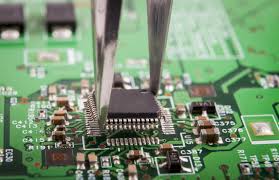
How do you ensure quality control in Pcb assembly services?
Automated Optical Inspection (AOI) is a critical quality control method used during PCB assembly. AOI systems use high-resolution cameras to capture images of the PCB and compare them against a predefined standard. This inspection method helps detect common defects such as misaligned components, solder bridges, insufficient solder, and missing components. AOI is typically employed after solder paste application, component placement, and reflow soldering stages. By identifying defects early, AOI allows for immediate corrective actions, reducing the risk of faulty boards progressing through the assembly process.
For detecting hidden defects, particularly in complex assemblies with dense components, X-ray inspection is invaluable. This method allows for the examination of solder joints beneath components like Ball Grid Arrays (BGAs) that are not visible through traditional optical inspection. X-ray inspection can reveal issues such as voids, cold joints, and improper solder connections, which can compromise the functionality and reliability of the PCB. Implementing X-ray inspection as part of the quality control process ensures a higher level of scrutiny for critical assemblies.
In-circuit testing (ICT) is another essential quality control measure. ICT involves using probes to test the electrical performance of individual components and connections on the PCB. This method checks for shorts, opens, resistance, capacitance, and other electrical parameters. ICT can identify issues that visual inspections cannot, such as incorrect component values or faulty connections. By verifying the electrical integrity of the PCB, ICT helps ensure that each board functions correctly before moving to the next stage of assembly.
Functional testing involves evaluating the PCB in conditions that simulate its final operating environment. This testing method ensures that the assembled PCB performs as expected within its intended application. Functional tests can include checking signal integrity, power distribution, and overall functionality. This step is crucial for identifying any issues that might arise in real-world use, allowing manufacturers to address them before the product reaches the market.
To ensure long-term reliability, PCBs often undergo environmental and reliability testing. These tests simulate various environmental conditions such as temperature extremes, humidity, vibration, and mechanical stress to evaluate the board’s durability. Environmental testing ensures that the PCB can withstand the conditions it will face in its intended application. Reliability testing, such as thermal cycling and accelerated life testing, helps predict the board’s performance over time, ensuring it meets the required standards for longevity and durability.
Quality control in PCB assembly is an ongoing process that benefits from continuous improvement and feedback loops. Collecting data on defects, analyzing root causes, and implementing corrective actions are essential steps. Manufacturers should establish a culture of continuous improvement, where feedback from each stage of the assembly process is used to refine and enhance procedures. Regular training for assembly personnel and staying updated with the latest industry standards and technologies also contribute to maintaining high-quality standards.
In conclusion, ensuring quality control in PCB assembly services involves a comprehensive approach that includes design optimization, rigorous inspection methods such as AOI and X-ray inspection, electrical and functional testing, and environmental and reliability assessments. By implementing these measures, manufacturers can produce reliable, high-quality PCBs that meet stringent performance and durability standards. Continuous improvement and a proactive approach to quality control are essential for sustaining high-quality outcomes in PCB assembly.