

Piano Transcriptions
Piano transcription is the process of converting a piece of music into a written format that can be read by musicians. This can be done by hand or using a computer program. It is an important skill for pianists to have, as it allows them to learn from other songs or improvise when playing with others. The most common form of piano transcription is standard musical notation, which uses staffs with one of two clefs at the beginning and notes arranged in different points on them. This system is based on the notion that time flows from left to right and that the length of a note can be determined by its position on a line or space of the staff.
Many types of music can be transcribed for the piano, including songs and orchestral works. These are typically transposed into a key that will be more convenient for the pianist to play. This may be for a particular performance or just to make the music easier to understand and play.
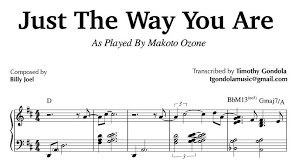
Another type of piano transcription involves the re-scoring of a piece for different instruments. For example, a concerto for flute and strings can be transcribed for solo piano or even for guitar. This allows the musician to use the same musical ideas but change them up to fit a new instrument.
https://tartalover.net/nicole-pesce
Types of Piano Transcriptions
Some piano transcriptions are created to record the sounds of nature, such as birdsong. This type of transcription is often referred to as ethnomusicological notation, and requires the use of relative or perfect pitch to interpret. Composers such as Bela Bartok, Zoltan Kodaly, and Ralph Vaughan Williams transcribed traditional folk songs from their native countries in this style.
https://m.youtube.com/@tartalover2682/videos
The most commonly used type of piano transcription is based on standard musical notation, the universal musical language that features staffs with one of two clefs and notes arranged in different points on them. It is based on the notion that time flows left to right and that the length of sounded notes can be determined by their position on a line or space of the treble and bass clefs. It is possible to transcribe a piano song without writing down the notes, but this method can be difficult and time consuming.
Other forms of piano transcription include the use of MIDI files, which describe how a piece of music is played by an electronic keyboard or other digital sound device, and computational methods for transcribing musical signals, such as non-negative matrix factorizations and sparse codings. The latter uses multiplication of a spectrogram with a dictionary to identify individual notes, and has been successful in the case of acoustic instruments such as violins.
A common way to practice piano transcription is to work in small chunks, such as a bar or two at a time. This makes it easy to check that your transcription is accurate, and also reduces the mental strain of trying to quasi-memorize and notate very long passages. It is also useful to listen to the musical passage several times until you can clearly hear what the pianist is playing and then write down the correct notes as they are being played.