

common materials used by a flex PCB supplier
Printed circuit boards are a crucial component of electronic devices that need to function properly and efficiently. They contain copper traces that connect and route signals from one part of the board to another. They also have insulating material that separates different layers from each other to prevent electrical shorts and shocks. Choosing the right materials for your PCB is an important decision. It can impact signal integrity, heat dissipation, flex life and other factors. To ensure you are getting the best quality, consider using a flex pcb supplier that uses high-quality raw material for their fabrication.
The most common base materials for rigid PCBs are woven fiberglass impregnated in epoxy resin. The cured epoxy adds some elasticity but not enough to make the board flexible. Flex PCBs are made with more flexible plastic than this, such as polyimide. Polyimide is incredibly tough and flexible, so it can handle repeated bending without cracking. It is also tolerant to solder reflow cycles and thermal expansion and contraction.
For the conductor layer of a flex pcb supplier, there are two main options: ED (electrodeposited) and RA (rolled and annealed). The difference between these types lies in their crystal structure. ED copper foil has a fish scale shape, making it difficult to roughen and etch. RA copper foil, on the other hand, has a column array structure and is accessible to both etching and roughening.
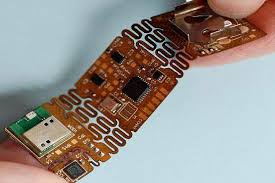
What are the common materials used by a flex PCB supplier?
There are many different adhesives that can be used to bind the different components together. The type of adhesive that is used is based on the application and the requirements of the product. Acrylic is a common choice because it does not harden after curing and is a good option for dynamic applications. Epoxy is a popular choice for static applications and can be used with different materials.
Another consideration is the thickness of the flex PCB. Depending on the application, the thickness will be determined by the amount of flexing it will have to endure. To avoid cracking or breaking, the flex PCB should be thicker than normal, but no thinner than necessary. Lastly, the dielectric material of the flex PCB is an important consideration. The material needs to be able to support the copper traces and insulate them against mechanical stress. It should also have a low coefficient of thermal expansion and be compatible with the other parts of the board.
The most common flex PCB materials are PI (polyimide) and PET (polyester). These materials offer excellent flexibility and have commendable tensile strength. They are also resistant to chemicals and solvents and can withstand high temperatures. These qualities make flex PCBs ideal for consumer electronics and advanced handheld devices. They are also cost-effective, so they can be used in a wide range of applications.