

tools assist in quote trade
In modern financial markets, technology plays a vital role in executing trades efficiently and securely. For those engaging in negotiated transactions, understanding what tools assist in quote trade can significantly enhance execution quality, transparency, and speed. Quote-based trading, or quote.trade, requires a combination of software platforms, analytics, communication systems, and compliance tools to operate effectively in both institutional and retail environments.
One of the most important tools that assist in quote.trade is the Request-for-Quote (RFQ) platform. These platforms enable traders to send quote requests to multiple liquidity providers or dealers simultaneously. The RFQ system gathers and organizes the responses, allowing traders to compare pricing, evaluate terms, and execute the best deal—all within a secure and often regulated environment. These platforms streamline the quote process, replacing traditional phone or email communications with a faster and more standardized interface. Examples include Bloomberg RFQ, Tradeweb, and MarketAxess, which are commonly used in fixed income and derivatives markets.
Another essential tool is the Execution Management System (EMS), which helps traders manage and route orders efficiently across multiple venues. EMS platforms often integrate with quote.trade systems, allowing users to initiate RFQs, track responses, and manage executions from a single interface. These systems are particularly useful for institutional desks handling large or complex trades, as they support real-time market data, trade history, and customizable execution strategies.
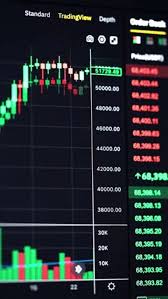
What tools assist in quote trade?
Order Management Systems (OMS) also play a crucial role in the quote.trade workflow. While EMS focuses on trade execution, OMS handles the pre- and post-trade lifecycle, including order creation, compliance checks, and allocation. Together, EMS and OMS form the technological backbone that ensures trades are executed in accordance with investment guidelines and regulatory requirements.
In addition to execution tools, data analytics and pricing engines assist traders in evaluating quote.trade opportunities. Advanced pricing algorithms can estimate fair market value for a given security, helping traders determine whether a received quote is competitive. These algorithms may factor in current market conditions, historical trends, and liquidity metrics. Dealers and market makers also rely on pricing models to generate quotes quickly and accurately in response to RFQs.
Communication tools are equally important in facilitating quote.trade. Secure messaging platforms like Bloomberg Terminal’s IB Chat or encrypted email systems allow traders to negotiate and finalize terms with counterparties. In some markets, instant messaging applications have also become informal tools for discussing and arranging quote-based deals, though regulated firms often require integrated communication archives for compliance purposes.
Compliance and reporting systems are the final layer of tools that support quote.trade. These ensure that all negotiated trades meet regulatory standards and are appropriately logged for audit purposes. Many jurisdictions require post-trade transparency and reporting, so having a system that can automatically generate and submit these reports is essential for firms engaging in regular quote trading.
In conclusion, a variety of tools assist in quote.trade, including RFQ platforms, EMS and OMS systems, pricing algorithms, communication platforms, and compliance solutions. Together, these tools provide the technological infrastructure that supports fast, secure, and compliant quote-based trading across global financial markets.