

printed circuit board manufacturerss be used in high-temperature applications
Printed Circuit Boards (PCBs) are the foundation of modern electronics, facilitating the interconnection of electronic components in a compact and efficient manner. While PCBs are widely used across various industries, there’s often a question of their suitability for high-temperature applications. Let’s delve into this topic to understand the challenges and potential solutions.
Firstly, it’s essential to recognize that traditional PCB materials, such as FR4 (a type of fiberglass epoxy laminate), have limitations when exposed to high temperatures. The glass transition temperature (Tg) of FR4 typically ranges from 130°C to 180°C, beyond which the material begins to soften and lose its structural integrity. This poses a challenge for applications where sustained high temperatures are encountered, such as automotive engine compartments or industrial equipment operating in harsh environments.
However, advancements in materials science and printed circuit board manufacturers techniques have led to the development of high-temperature PCBs capable of withstanding elevated temperatures. These specialized PCBs utilize substrates and laminate materials with higher Tg values, such as polyimide (PI) or ceramic-based materials. Polyimide PCBs, for instance, boast Tg values ranging from 220°C to 260°C, making them suitable for a wide range of high-temperature applications.
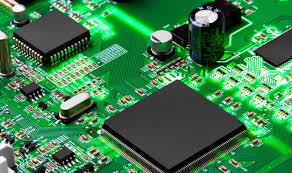
Can printed circuit board manufacturerss be used in high-temperature applications?
In addition to selecting the appropriate substrate material, other factors come into play when designing PCBs for high-temperature environments. The choice of copper thickness, surface finish, and solder mask materials can significantly impact the PCB’s thermal performance and reliability. Thicker copper traces and heavy copper features help dissipate heat more effectively, reducing the risk of thermal stress and delamination.
Moreover, selecting a suitable surface finish is crucial for ensuring reliable solder joints and preventing oxidation at high temperatures. Immersion gold (ENIG) and immersion silver (IAg) finishes are commonly used for their ability to withstand elevated temperatures and provide excellent solderability. These finishes form a protective barrier over the copper traces, enhancing their durability and resistance to thermal cycling.
Furthermore, the design of high-temperature PCBs must account for thermal management strategies to mitigate heat buildup and ensure optimal performance. This includes incorporating features such as thermal vias, heat sinks, and copper pours to improve heat dissipation and maintain a stable operating temperature. Proper component placement and layout optimization also play a crucial role in minimizing hot spots and thermal stress on the PCB.
Despite these advancements, it’s essential to recognize that high-temperature PCBs have their limitations and may not be suitable for extreme environments exceeding their specified operating conditions. Factors such as prolonged exposure to elevated temperatures, thermal cycling, and mechanical stress can still impact the reliability and longevity of PCBs, necessitating careful consideration during the design and selection process.
In conclusion, printed circuit board manufacturers have made significant strides in developing PCBs capable of withstanding high temperatures, expanding their applicability in industries requiring reliable performance in harsh environments. By leveraging advanced materials, manufacturing techniques, and thermal management strategies, high-temperature PCBs offer a viable solution for a wide range of applications, from automotive and aerospace to industrial and renewable energy sectors. However, it’s crucial to adhere to recommended operating conditions and design guidelines to ensure the optimal performance and longevity of high-temperature PCBs in real-world scenarios.