

limitations of flexible pcb board
Flexible PCB (Printed Circuit Board) technology has brought significant advancements in the electronics industry, offering numerous benefits such as lightweight designs, space savings, and the ability to conform to complex shapes. However, despite these advantages, flexible PCBs also come with a set of limitations that can impact their performance and applicability in certain scenarios.
One primary limitation of flexible PCBs is their susceptibility to mechanical damage. The inherent flexibility that makes these PCBs attractive also makes them more prone to physical stress and damage during handling and assembly. Bending, twisting, or excessive flexing can lead to cracks in the conductive traces or delamination of the substrate material. Consequently, careful handling and proper design considerations, such as the incorporation of strain relief and protective stiffeners, are essential to mitigate these risks.
Another significant limitation is the cost associated with flexible pcb board. The materials used, such as polyimide or polyester substrates, are generally more expensive than the materials used for rigid PCBs. Additionally, the manufacturing process for flexible PCBs is more complex and requires specialized equipment and techniques, further driving up the cost. This higher cost can be a deterrent for applications where budget constraints are a primary concern.
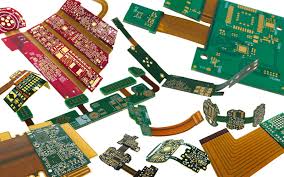
What are the limitations of flexible pcb board?
Thermal management can also be a challenge with flexible PCBs. While they can operate effectively in a wide range of temperatures, the thin and flexible nature of the substrate can make it difficult to dissipate heat efficiently. This limitation can be particularly problematic in high-power applications where heat buildup can affect the performance and longevity of the PCB. Incorporating thermal vias, heat sinks, and choosing thermally conductive materials can help, but these solutions add to the complexity and cost.
The electrical performance of flexible PCBs can be another limiting factor. The flexible substrate materials typically have different dielectric properties compared to rigid materials, which can affect signal integrity, particularly at high frequencies. Issues such as increased signal loss and electromagnetic interference (EMI) can arise, requiring careful design and shielding strategies to ensure reliable performance. For high-frequency applications, the design and material selection process becomes even more critical.
Assembly and soldering processes for flexible PCBs also present challenges. The flexibility of the substrate can complicate automated assembly processes, requiring specialized equipment and fixtures to hold the PCB in place during soldering. Moreover, the thermal properties of flexible substrates can make them more sensitive to temperature variations during soldering, increasing the risk of warping or delamination if not properly managed.
Reliability and longevity are other concerns with flexible PCBs. While they are designed to withstand a degree of flexing, repeated bending or movement can lead to fatigue and eventual failure of the conductive traces. This makes them less suitable for applications where they will be subjected to continuous dynamic flexing. In such cases, careful design to minimize stress points and the use of materials with high fatigue resistance are necessary to enhance durability.
In conclusion, while flexible PCBs offer significant advantages in terms of design flexibility and space savings, they also come with inherent limitations that need to be carefully managed. Issues related to mechanical durability, cost, thermal management, electrical performance, assembly challenges, and long-term reliability can impact their suitability for certain applications. Understanding these limitations is crucial for designers and engineers to make informed decisions when considering flexible PCBs for their projects. By addressing these challenges through thoughtful design and material choices, the potential of flexible PCBs can be fully realized, expanding their application in various advanced electronic systems.