

significance of soldering in rigid flex pcb
Soldering plays a pivotal role in the assembly process of rigid flex PCBs, offering significant advantages and ensuring the integrity of the final product. Understanding the importance of soldering in this context requires delving into the unique characteristics and requirements of rigid flex PCBs.
Rigid flex PCBs, as the name suggests, combine elements of both rigid and flexible PCBs, offering versatility and durability in various electronic applications. These boards consist of rigid sections interconnected by flexible sections, allowing for complex designs in constrained spaces. The combination of rigid and flexible substrates presents distinct challenges during assembly, making soldering a critical step in the manufacturing process.
One of the primary reasons soldering is essential in rigid flex pcb is its role in establishing reliable electrical connections between components and conductive traces. Solder forms a strong bond between the components and the PCB, ensuring stable connections even in environments prone to vibration, shock, or thermal fluctuations. This reliability is crucial in applications where the integrity of electrical connections is paramount, such as aerospace, medical devices, and automotive electronics.
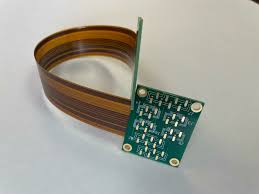
What is the significance of soldering in rigid flex pcb?
Moreover, soldering enables the integration of components onto both rigid and flexible sections of the PCB, facilitating the seamless transition between different substrate materials. By adhering components securely to the PCB surface, soldering mitigates the risk of mechanical failure or detachment, enhancing the overall durability and longevity of the electronic assembly.
In the context of rigid flex PCBs, soldering also plays a vital role in ensuring mechanical stability and structural integrity. The flexible sections of the PCB require special consideration during soldering to prevent damage or deformation. Techniques such as controlled heating and precise solder application are employed to maintain the flexibility of the substrate while achieving reliable solder joints.
Additionally, soldering contributes to the thermal management of rigid flex PCBs, dissipating heat generated by active components and ensuring optimal performance under varying operating conditions. Proper soldering techniques, including the use of thermal vias and heatsinks, help dissipate heat efficiently, preventing overheating and potential damage to sensitive components.
Furthermore, soldering enables the miniaturization of electronic devices by facilitating the assembly of compact and lightweight rigid flex PCBs. The small form factor of these boards requires precise soldering techniques to accommodate densely populated components and intricate designs. Advanced soldering technologies, such as reflow soldering and laser soldering, are employed to achieve high levels of precision and repeatability in the assembly process.
Beyond the technical aspects, soldering also influences the overall cost-effectiveness and manufacturability of rigid flex PCBs. Efficient soldering processes contribute to shorter production cycles and lower defect rates, reducing manufacturing costs and improving time-to-market for electronic products. Moreover, the reliability of soldered connections minimizes the need for maintenance and repair, further enhancing the economic viability of rigid flex PCB assemblies.
In conclusion, soldering plays a crucial role in the assembly of rigid flex PCBs, offering numerous benefits in terms of electrical performance, mechanical stability, thermal management, miniaturization, and cost-effectiveness. By employing advanced soldering techniques and adhering to strict quality standards, manufacturers can ensure the reliability and integrity of rigid flex PCB assemblies, meeting the demanding requirements of modern electronic applications.